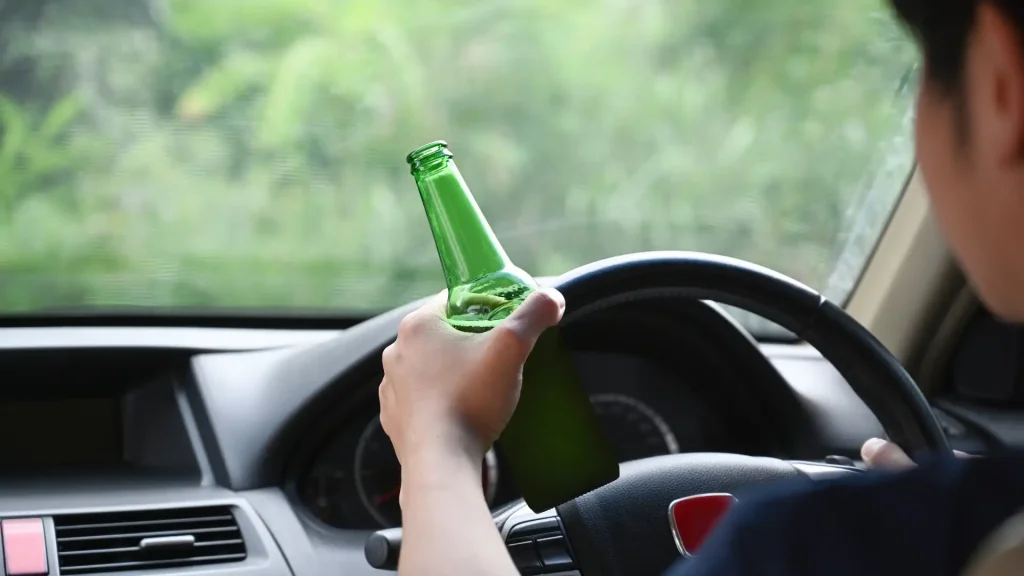




Arrested for DUI in Louisville or Lexington? Don’t Risk Your Future.

Facing a DUI charge in Jefferson or Fayette County? Moermond & Mulligan, LLC provides elite criminal defense backed by 50+ years of trial experience and the strategic advantage of being former prosecutors. We leverage our Cincinnati-based legal hub to provide aggressive, high-stakes representation for drivers across Kentucky’s major metros.

Results & Settlements
icon
$76m Wrongful Death
icon
$38m Defective Drug
icon
$15m Birth Defects
icon
$11m Nerve Damage
Free DUI / DWI Consultation Do You Have a Serious Injury Case?

"*" indicates required fields

Awards & Achievements

Award image
Nation's Premier - Top Ten Ranking 2015 - NAFLA
Best of the Best - Top 10 Attorneys
TNL - Top 40 Under 40

Aggressive Defense for Louisville & Lexington DUI Charges Results

What Are Your Chances of Going to Jail for a Second DUI_OVI_ Image 2

Under KRS 189A.010, Kentucky maintains some of the strictest DUI penalties in the region. Whether you were stopped on I-64 in Louisville or near UK’s campus in Lexington, the consequences are immediate.

  • The “Inside” Perspective: As former prosecutors, L. Patrick Mulligan and Brad Moermond understand the “playbook” used by the Commonwealth’s Attorneys. We don’t just react to the prosecution’s evidence; we anticipate their next move to shield you from jail time and a permanent record.
  • Aggravating Circumstances: In Kentucky, factors like a BAC of .15+, excessive speed, or refusing a breathalyzer double the mandatory minimum jail time. We specialize in challenging these “aggravators” to protect your freedom.
  • Strategic Proximity: From our downtown Cincinnati hub, we provide high-level resources and “Big City” defense strategies to the Louisville and Lexington courts, ensuring you aren’t just another number in the local system.


What Our Clients Say

5 star rating

Eric Buchakjian was my lawyer explain everything very well an in the end had my case dismissed super professional!!

-

Brad is amazing and so is Amy Pond. Although Brad looks like Clark Kent, he definitely moves like superman in the courtroom. Thank you both so much!!!

-

Top notch law firm!! I was represented by Brad Moermond for an OVI and I couldn’t be happier with my choice. He truly went above and beyond & fought for me all the way to the end. My case went to trial and I was absolutely stunned watching him work. He’s more than impressive and I cannot recommend Brad enough!

-

L. Patrick Mulligan, Lindsay Arway, and their terrific paralegals were successfully able to handle taking my case to a NG trial verdict. From day one I had the support and peace of mind of a quality defense. I will gladly refer anyone facing prosecution toward them. Thank you again!

-

Are Field Sobriety Tests Reliable in DUI Cases_ Image 2

Frequently Asked Questions

Negligence is a central concept in personal injury lawsuits and refers to a person or entity’s failure to exercise reasonable care, resulting in harm or catastrophic injury to another individual. In Texas, to establish negligence, the plaintiff or injured party must prove the following elements:

  • Duty: The person being sued owed you a duty of care to prevent harming you.
  • Breach of duty: They breached the duty of care by failing to act as a reasonably prudent person would under similar circumstances.
  • Causation: Their breach of duty directly caused your injuries, with a clear link between their actions or omissions and your harm.
  • Damages: You suffered actual economic damages and/or non-economic damages, potentially including physical injuries, emotional distress, medical expenses, lost wages, or property damage, as a result of their negligence.

Texas follows a modified comparative negligence rule under Texas Civil Practice and Remedies Code § 33, meaning your financial recovery may be reduced if you are found to be partially at fault for your injuries. Under Texas law, you can still recover damages if your percentage of fault is less than 51 percent. However, the amount will be reduced by the percentage of your fault.

Negligence is a central concept in personal injury lawsuits and refers to a person or entity’s failure to exercise reasonable care, resulting in harm or catastrophic injury to another individual. In Texas, to establish negligence, the plaintiff or injured party must prove the following elements:

  • Duty: The person being sued owed you a duty of care to prevent harming you.
  • Breach of duty: They breached the duty of care by failing to act as a reasonably prudent person would under similar circumstances.
  • Causation: Their breach of duty directly caused your injuries, with a clear link between their actions or omissions and your harm.
  • Damages: You suffered actual economic damages and/or non-economic damages, potentially including physical injuries, emotional distress, medical expenses, lost wages, or property damage, as a result of their negligence.

Negligence is a central concept in personal injury lawsuits and refers to a person or entity’s failure to exercise reasonable care, resulting in harm or catastrophic injury to another individual. In Texas, to establish negligence, the plaintiff or injured party must prove the following elements:

  • Duty: The person being sued owed you a duty of care to prevent harming you.
  • Breach of duty: They breached the duty of care by failing to act as a reasonably prudent person would under similar circumstances.
  • Causation: Their breach of duty directly caused your injuries, with a clear link between their actions or omissions and your harm.
  • Damages: You suffered actual economic damages and/or non-economic damages, potentially including physical injuries, emotional distress, medical expenses, lost wages, or property damage, as a result of their negligence.